So the thought for today is to eat better and continue exercising. It’s a lovely day so I did a 3.7 mile loop of the park this afternoon. As for healthy eating, I like the advice of: 
- cutting out junk food, processed foods, sugars…[including the dreaded High Fructose Corn Syrup]
- eating more colorful and fresh foods
- eating in moderation [drinking more water as I might be thirsty rather than hungry]
I found a nice web page called Healthy Eating Easy Tips for Planning a Healthy Diet and Sticking To It from Helpguide.com that provides some common sense advice.
I had a weird diet day today. I slept in this morning so ate fewer meals. I’m not sure how that ranks in the BMR [Basal Metabolic Rate] calculation. Given my 3-5 days/week of moderate exercise activity, I can eat about 2150 calories each day. The Fat2FitRadio.com calculation is described as:
The chart shows the number of calories that you should eat on a daily basis to reach your goal weight. At Fat 2 Fit Radio we advocate eating like the thin, healthy person that you want to become. The calorie levels …create that all important caloric deficit that is required to get you to your goal weight in a safe manner. Once you reach your goal weight, you will continue eating the same number of calories for the rest of your life to maintain that weight. You’ll never be on a diet again.
Based on how much activity you do on an average day, the [calculation provides] the number of calories that you will be able to eat at your goal weight. If you start eating those calories right now (eating like the thinner you), you will eventually become that thinner person.
Given that I woke up late today, I only ate 2 meals and consumed approximately 650 calories today….. is that bad? I don’t know….
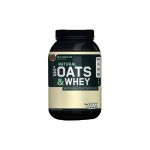 Also, the Helpguide.com article mentioned that we should avoid sugars in any form. My breakfast this morning comprised a fruit shake made from frozen mangoes, Zico Coconut Water, and Optimum Nutrition – 100% Natural Oats & Whey Chocolate. The Optimum Nutrition protein drink is very tasty. The label says, however, that it contains 8 g of Sugars in the form of honey powder and evaporated cane juice powder. I’m guessing that is not good news but I’m very fond of it. The Livestrong.com site has an article titled Health Risks of High Fructose Corn Syrup that sums up many of the concerns about High Fructose Corn Syrup [HFCS]. Among other things, it notes that the human body process regular sugars differently than HFCS.
A couple of excerpts from the Health Risks of High Fructose Corn Syrup article:
The human body does not process HFCS the same way it  processes sugar. Fructose requires a different metabolic pathway than other carbohydrates because it skips glycolysis, or normal carbohydrate metabolism. Because of this, fructose is an unregulated source of “acetyl CoA,” or the starting material for fatty acid synthesis. Furthermore, by ingesting HFCS, a vicious cycle can ensue. This is because eating HFCS can increase the feelings of hunger.
Liver Disease & Metabolic Syndrome
Metabolic syndrome is a combination of conditions that increase the risk of heart disease, stroke and diabetes. Metabolic syndrome includes elevated insulin levels, excess body fat, abnormal cholesterol levels and increased blood pressure. The journal, “Hepatology” noted in June 2010, “The rising incidence of obesity and diabetes coincides with a marked increase in fructose consumption and is higher in individuals with nonalcoholic fatty liver disease.” Furthermore, fructose consumption is a contributing environmental risk factor for increased fibrosis of the liver.
Read the entire article at: http://www.livestrong.com/article/259181-heath-risks-of-high-fructose-corn-syrup/?utm_source=popslideshow&utm_medium=a1
..and, yes, I remembered to log my nutrition and exercise into SparkPeople.com site . I’ve been less consistent about logging into the Self.com Diet Club as it’s more cumbersome.


